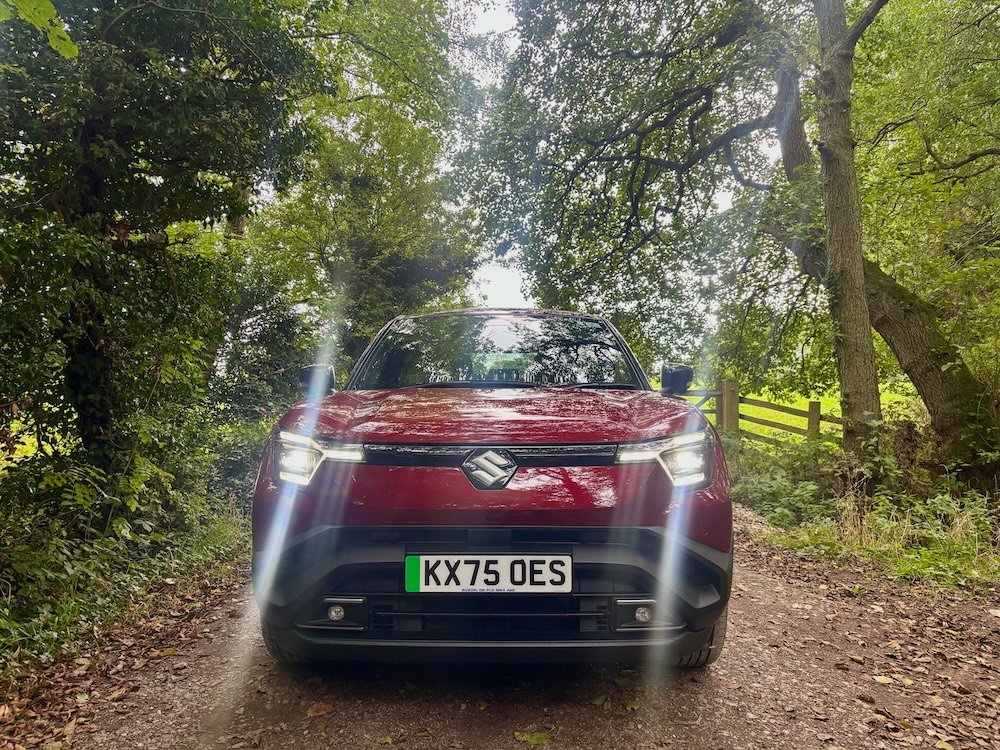
Suzuki e Vitara
Suzuki’s Vitara’s been a mainstay on our roads for decades now and it’s fair to say it’s something of a trailblazer. Before basically every car became an SUV or a crossover, the Vitara was the chunkier, cooler big sister to the SJ/Jimny, making the ‘lifestyle’ 4×4 we all so desire accessible to the masses.
It doesn’t take a genius to work out that this new e Vitara is powered purely by electricity; Suzuki’s first electric car, no less. If you cast your eye over the Suzuki range, though, you’ll see a mild hybrid Vitara being sold along side it. Nothing new there, you say, except if you look closely at the Vitara and the e Vitara, it may come as a surprise to see very little family resemblance.
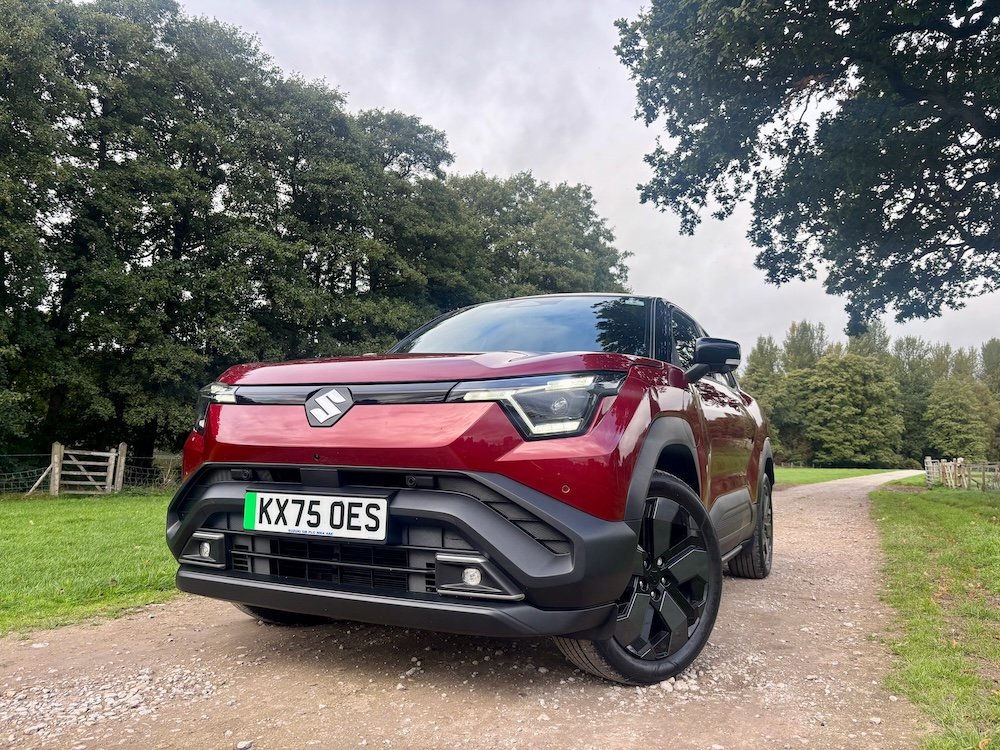
Seen it somewhere before?
The reason for that is this is another joint venture with Toyota, sharing many of its mechanicals, battery tech, and if we’re honest, body panels with the Urban Cruiser.
Let’s ignore that for the moment, though, and have a look at the e Vitara as a standalone.
It comes with a choice of two batteries; 49kWh or 61kWh. The former has one 144bhp motor powering the front wheels only, the latter comes with a choice of FWD or AWD. Go for the larger battery & FWD and the single motor gets a power hike to 174bhp, AWD then gets a 64bhp motor powering the rear wheels.
What’s the range like?
WLTP range for the 49kWh e Vitara is 213 miles, the FWD 61kWh will get you the furthest between charges at 264 miles and the AWD spec with the big battery manages 245 miles.
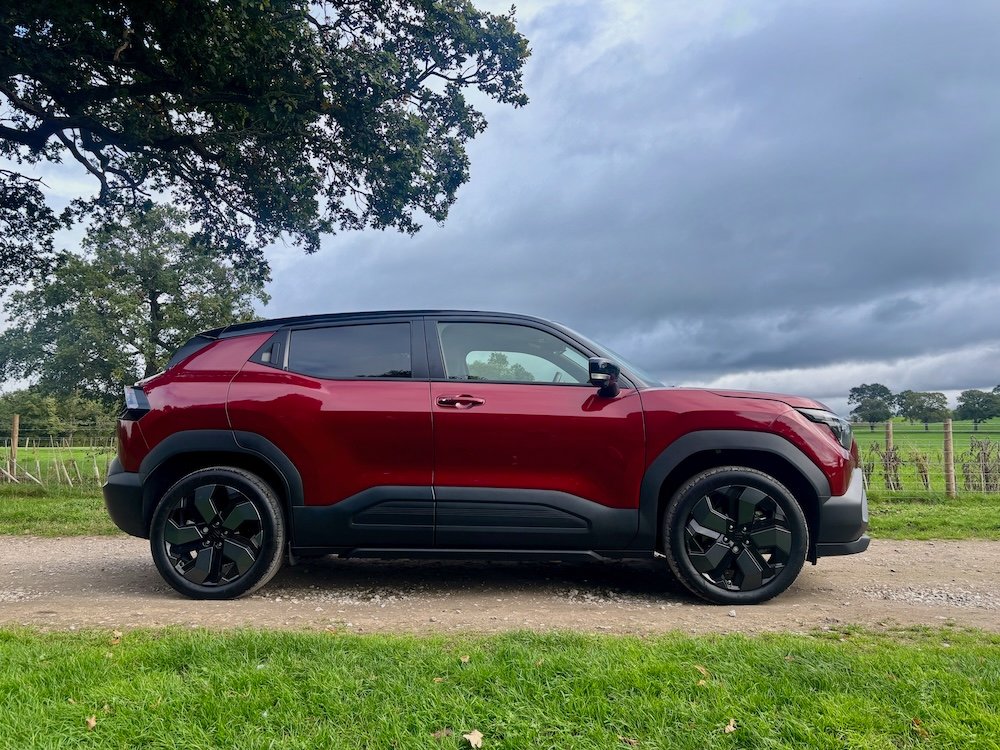
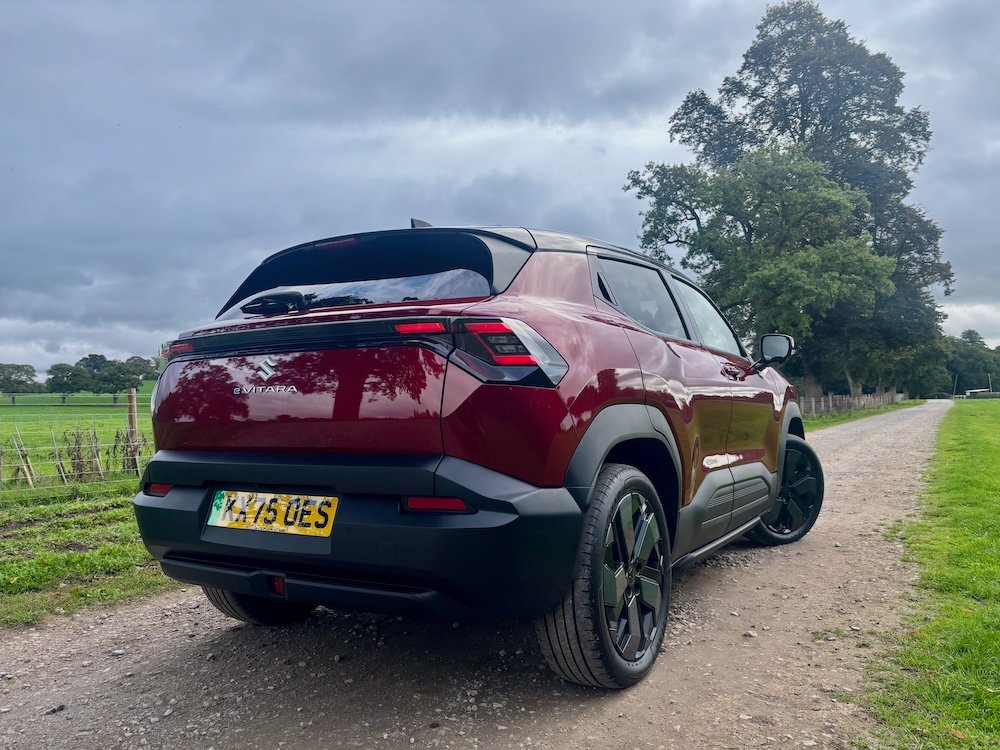
On the face of it the e Vitara’s quite and attractive little SUV. The rear door handles are hidden which gives a coupe-ish look, there’s just the right amount of geometric shapes around the wheel arches etc to suggest some off-road capability and, perhaps most importantly, it clearly hasn’t been designed in a wind tunnel so it’s infinitely more attractive than a soap dish.
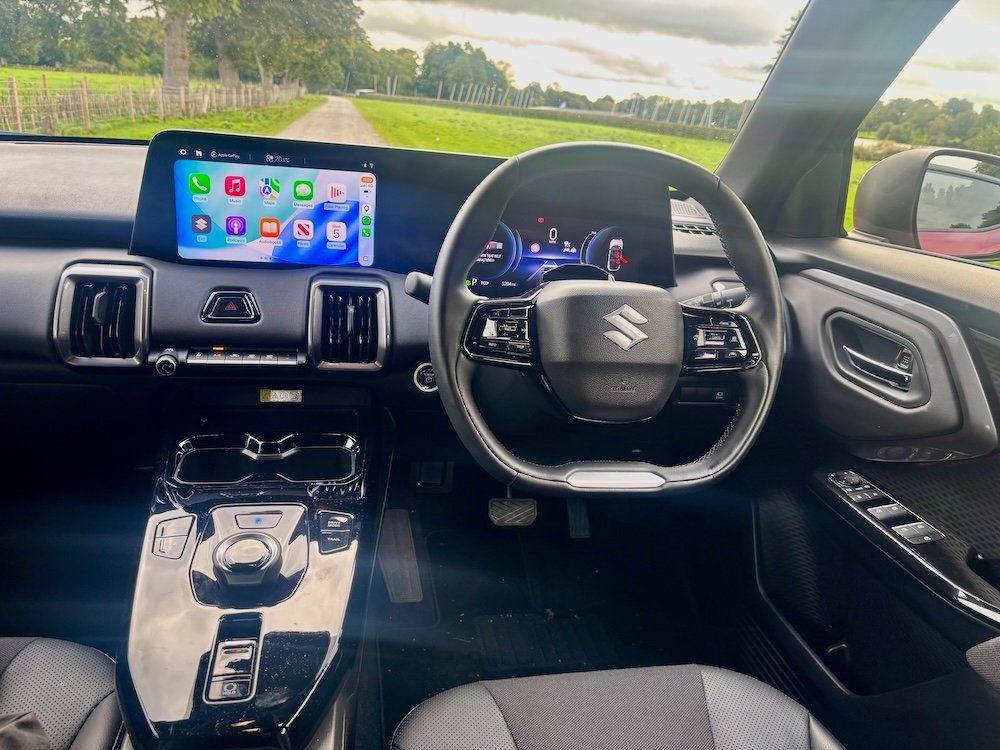
And inside?
Inside Suzuki seem to have gone to some effort to make the e Vitara more upmarket and that’s mostly through the use of piano black plastics, although the rest of the materials used look and feel less premium. The driver’s seating position is high up on what are quite rigid seats but even the tallest driver shouldn’t want for head room.
It’s a different story for passengers in the rear seats, though. There’s plenty of leg room back there thanks to some trick sliding seats but they are raised up when combined with a sloping roof, head space is at a premium.
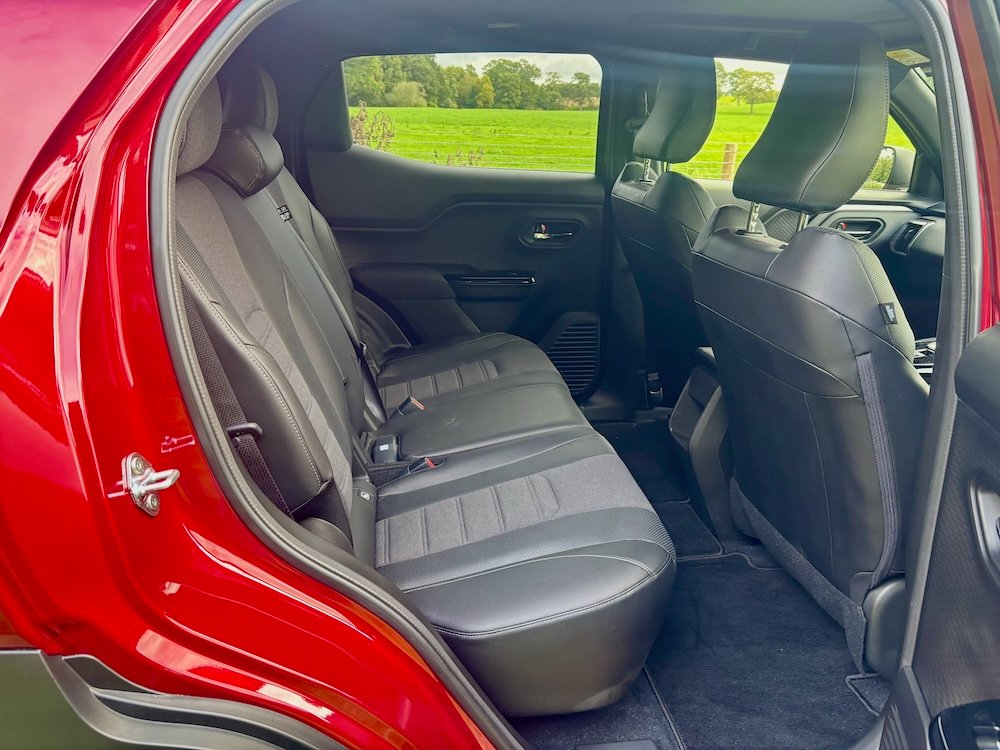
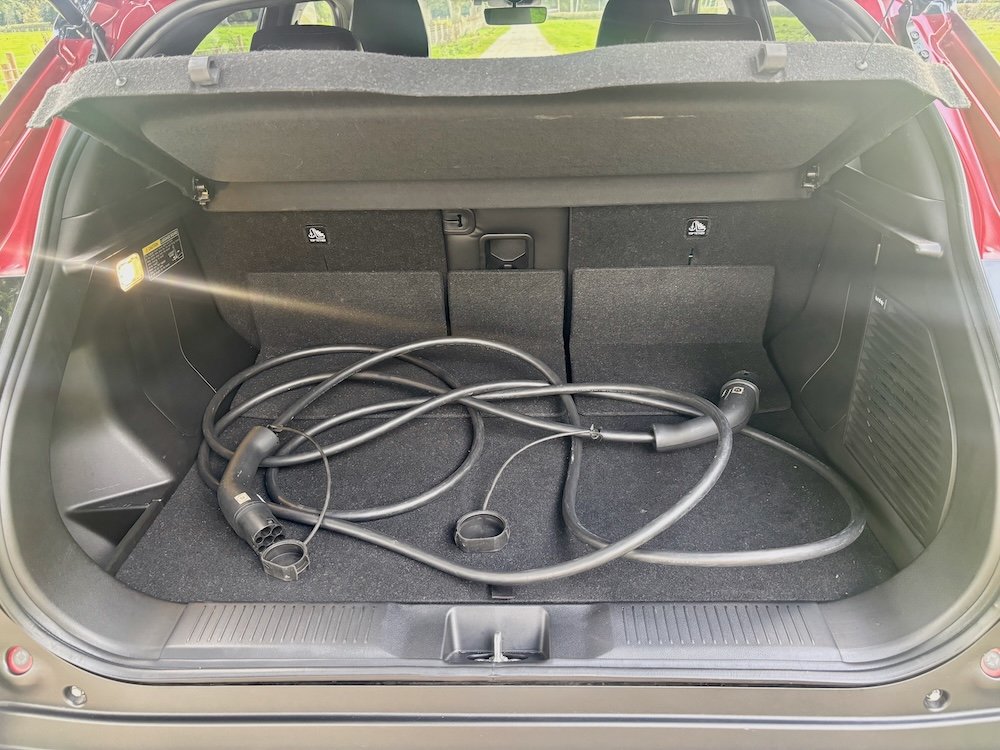
The cabin’s well served with storage and cubby holes but the boot space is less generous than most of the competition at just 310 litres with those rear seats slid fully forwards. Slide them all the way back to provide more space for rear-seat passengers and this drops to just 244 litres.
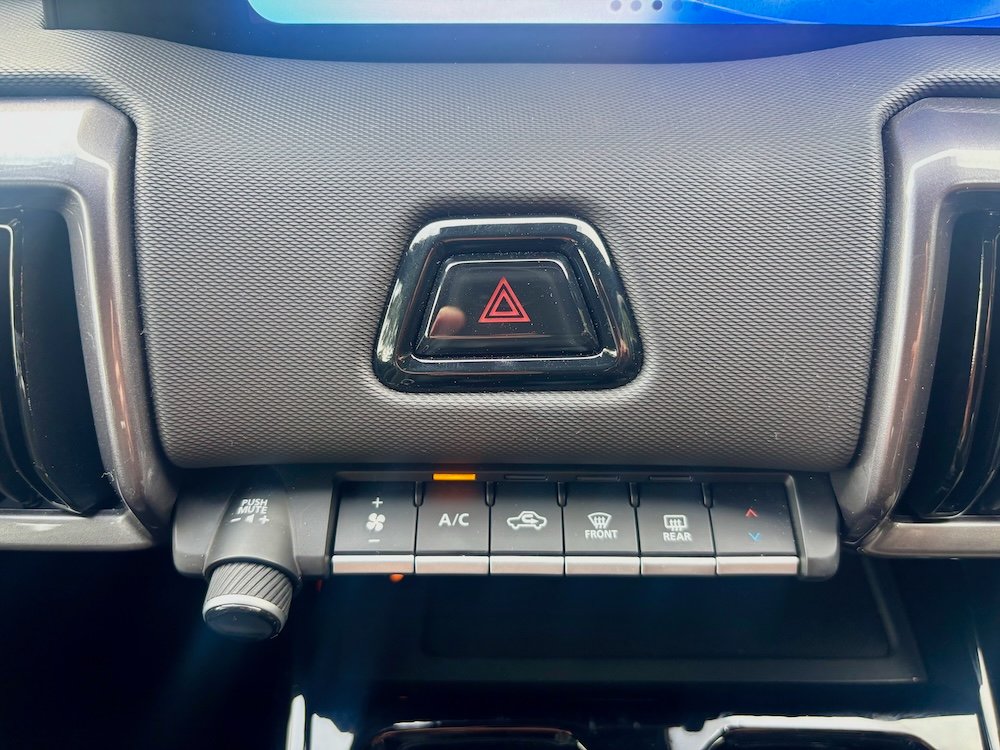
That raised driving position has the added benefit of a more commanding view of the road ahead and the all-round visibility is excellent with no major blind spots. The ADAS systems aren’t the easiest to disable as the controls are buried deep within the e Vitara’s software but thankfully they’re not that intrusive anyway, with binging and bonging kept to a minimum. There’s more to the dashboard than a couple of screens, though, there are some physical buttons for adjusting the climate control, heated screens etc and they’re very welcome.
Suzuki’s AWD ALLGRIP is an option
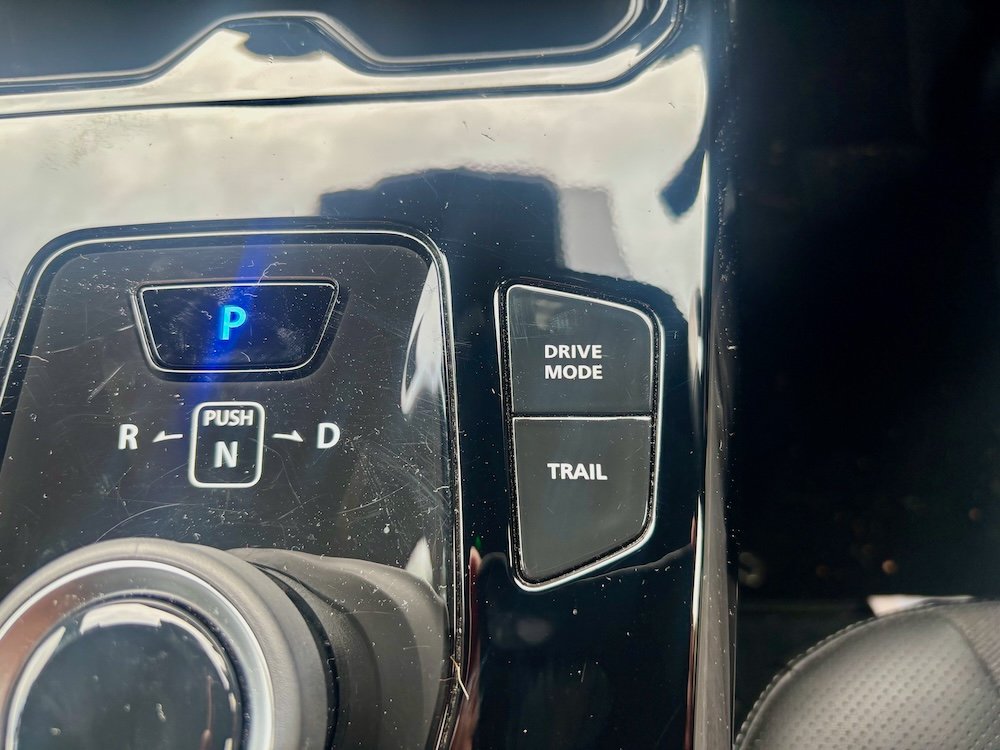
Our test car is an AWD version which means it joins Suzuki’s long list of capable off-road vehicles that now come with the ALLGRIP label and trail mode. All of that electrical gubbins and battery tech means it weighs in at a shade under 1800kg, though, which is quite hefty for an AWD Suzuki and it shows on the road, especially over undulating surfaces.
The steering has a decent amount of weight behind it and that’s a good thing, as over-assisting gets more commonplace. Every e Vitara gets three drive modes; Eco, Normal & Sport. We stuck in Eco for most of our time with the car as we value range over performance but even Eco mode isn’t exactly sluggish.
Rapid Charging
The e Vitara supports rapid DC charging so you can charge from 10-80% in 45 minutes and it can be programmed to charge at defined times for max-value home charging. Unfortunately there’s no function to set a maximum charge level at 80%, for example, so if left unattended it’ll keep going all the way to 100%.
How much is it?
Prices for the e Vitara start from £24,999 for the 49kWh version, going all the way up to £32,799 for the AWD version in Ultra spec. When you consider Toyota’s sister car – the Urban Cruiser starts at £34,445, the e Vitara seems quite the bargain. A large part of this price discrepancy is due to the fact the Toyota gets the 61kWH battery only. Go for the e Vitara in its highest Ultra spec with FWD and it’s still only £30,799 so there’s definitely a saving to be made with the Suzuki badge. Oh, and if you want AWD that’s currently not even an option on the Urban Cruiser.
Should I buy an e Vitara?
Suzuki’s got a proud history of making properly capable little off-roaders that don’t cost an arm and a leg and the AWD e Vitara looks set to carry this tradition forward. Ok, the FWD e Vitara may be more suited to the tarmac but at a list price of under £25k it’s a decent prospect in this electric sector.
By Ben Harrington
The Suzuki e Vitara is available now, priced from £24,999. For full details go to: www.cars.suzuki.co.uk
Leave a Reply